
New York
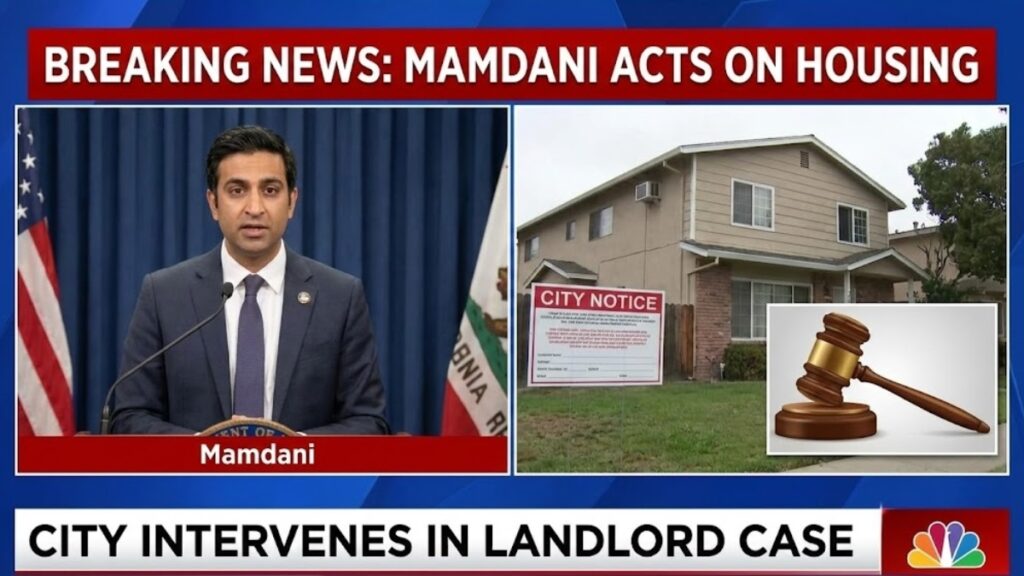
Hours after being sworn in, New York City Mayor Zohran Mamdani announced a set of immediate actions aimed at landlords and housing conditions, including plans to have city lawyers intervene in a high-profile private bankruptcy that his administration says affects dozens of buildings and thousands of tenants. The moves, unveiled at a Brooklyn apartment building, are among several executive orders Mamdani signed on his first day.
What the mayor announced
Mamdani said the administration will take what he called “precedent-setting action” by directing municipal attorneys to seek intervention in the bankruptcy case of a major landlord group. He tied the action to tenant protections, saying the case involves roughly 93 buildings and, he argued, threatens housing stability for many residents.
The mayor also signed executive orders to create a tenant protection office and housing task forces intended to speed development on city land and hold landlords accountable for poor building conditions.
At a public event Mamdani declared, “It is inauguration day. It is also the day that the rent is due,” framing the steps as an immediate test of whether city government will intervene directly on behalf of renters.
The bankruptcy at issue
The administration identified the bankruptcy tied to Pinnacle Group, the landlord firm associated with Joel Wiener, a name that has frequently appeared in recent years in tenant complaint and litigation coverage. Mamdani said city attorneys will seek to participate in court proceedings to press for repairs, tenant protections, and other remedies that the city believes are necessary to preserve habitability and prevent mass displacement. Crain’s New York and other outlets report Mamdani directly directed legal staff to look into intervening in the Pinnacle proceedings.
Legal basis and limits
City intervention in a private bankruptcy is unusual but not unprecedented. Municipalities may request standing in federal bankruptcy courts when they claim the outcome will directly affect public interests, such as housing stability, tax revenue, or public safety.
Intervening parties typically must show they have a cognizable interest and that their participation will aid the court without unduly delaying the process. Observers say the city’s success will depend on the strength of its legal arguments and the stance of the bankruptcy judge overseeing the case.
Reactions from tenants and landlord advocates
Tenant advocates and some residents welcomed Mamdani’s immediate focus on housing. Supporters framed the moves as long overdue enforcement after years of complaints about neglected repairs, heat problems, vermin and aggressive rent increases in some buildings. Mamdani’s early appointment of a tenant protection official was also billed as a sign the administration intends to prioritize tenant rights.
Landlord trade groups and some property owners are likely to view the move as an aggressive expansion of city power into private litigation. Critics argue that intervention could complicate bankruptcy proceedings, raise legal costs, and slow resolution for creditors and tenants alike. The full set of responses from industry groups was not yet available at the time of the announcement.
Political context
Mamdani, who ran on a platform of tenant protections, development on public land, and more active municipal oversight of housing, has pledged to use executive actions and city legal resources to pursue those goals. His early focus on housing aligns with a broader political debate in New York about the balance between property rights and tenant protections, especially in neighborhoods experiencing rapid change. The move also signals to supporters that housing will be a priority of his administration from day one.
What to watch next
Key developments to monitor include whether the city files a formal motion to intervene in the bankruptcy court, how the bankruptcy judge rules on standing and scope, and whether the move prompts negotiated settlements that include enforceable tenant protections.
Observers will also be watching how the mayor’s new tenant protection office and task forces are resourced and staffed; Mamdani named Cea Weaver to head a tenant office according to reporting, a choice that signals the administration will combine legal action with policy and enforcement reforms.
Bottom line
Mayor Mamdani used his first day in office to push an ambitious housing agenda that includes legal intervention in a private bankruptcy tied to a major landlord. The city’s legal foothold in the case and the practical results for tenants will depend on court decisions and whether the administration can translate executive orders into durable enforcement.

Pet trainer with a passion for helping animals and owners build strong, loving bonds through positive reinforcement and expert care.